
Skin
Skin pH — the number that quietly runs everything
15 September 2026
The surface of healthy skin is acidic. Average stratum corneum pH sits around 4.7–5.5, and on some body sites it drops below 4.5. That is not an accident or a side effect — it is an actively maintained state, and the body spends energy keeping it there.
Where the acidity comes from
The acid mantle is built from several independent sources at once:
- —Eccrine sweat — supplies lactic acid, urea and free amino acids.
- —Filaggrin breakdown — in the upper epidermis, filaggrin is cleaved into free amino acids, which become urocanic acid (trans-UCA) and pyrrolidone carboxylic acid (PCA). That is both NMF — the natural moisturising factor — and an acid buffer.
- —Sebum — phospholipases release free fatty acids from lipids.
- —The NHE1 proton pump — a sodium–hydrogen exchanger in keratinocyte membranes that pushes hydrogen ions out of the cell.
Four mechanisms for one parameter. Evolution does not duplicate solutions without a reason.
Why the skin needs an acidic pH
For three things at once.
First — enzymes. The enzymes that make ceramides (beta-glucocerebrosidase, acid sphingomyelinase) work best around pH 5.5. At a neutral pH their activity drops. Without ceramides there is no tight lamellar structure, and without that there is no barrier.
Second — desquamation. Serine proteases that cut corneodesmosomes and let dead cells shed work best around pH 8. In an acidic environment they are held back — and that is the point. Skin sheds slowly and evenly. When pH rises, the same enzymes run at full speed and dismantle the stratum corneum faster than the epidermis can rebuild it.
Third — the microbiome. Staphylococcus epidermidis, one of the key commensals, grows well in acid. S. aureus, a bacterium linked with atopic flare-ups, prefers a pH closer to neutral and gains ground when the skin alkalises.
What raises skin pH
Classic bar soap sits at pH 9–10. Tap water is usually 7–8. Hard water also delivers calcium and magnesium ions. High-pH anionic detergents. Frequent washing. Some medicines and skin conditions.
After washing with soap, skin pH can jump by 2–3 units. Return to baseline takes a few hours — on healthy, young skin. On mature, atopic or dehydrated skin it takes much longer. If you wash twice a day with soap, your skin may never get back to its natural pH.
What this means in practice
The point is not that every product needs “pH 5.5” on the label. The point is that a cleanser should not alkalise the skin, and a leave-on product should not force the skin to work overtime to recover its balance.
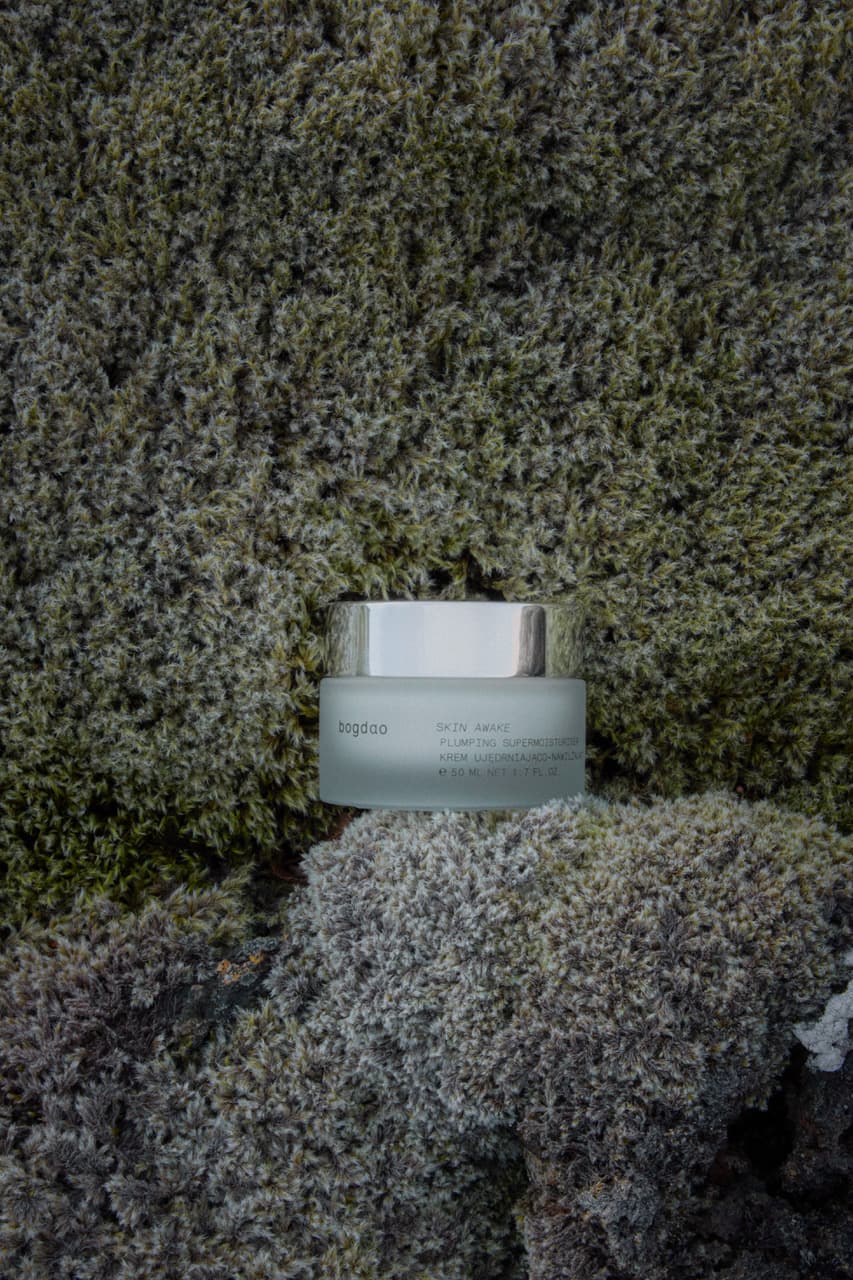
At BOGDAO we formulate in the acidic range not because it looks good on a box, but because our preservation systems (benzoic acid, dehydroacetic acid) work only below about pH 5.5. Formula chemistry and skin physiology have to meet at the same point — or the formula is incoherent.