
Skin
Skin ageing and pH — why mature skin becomes more alkaline
13 September 2026
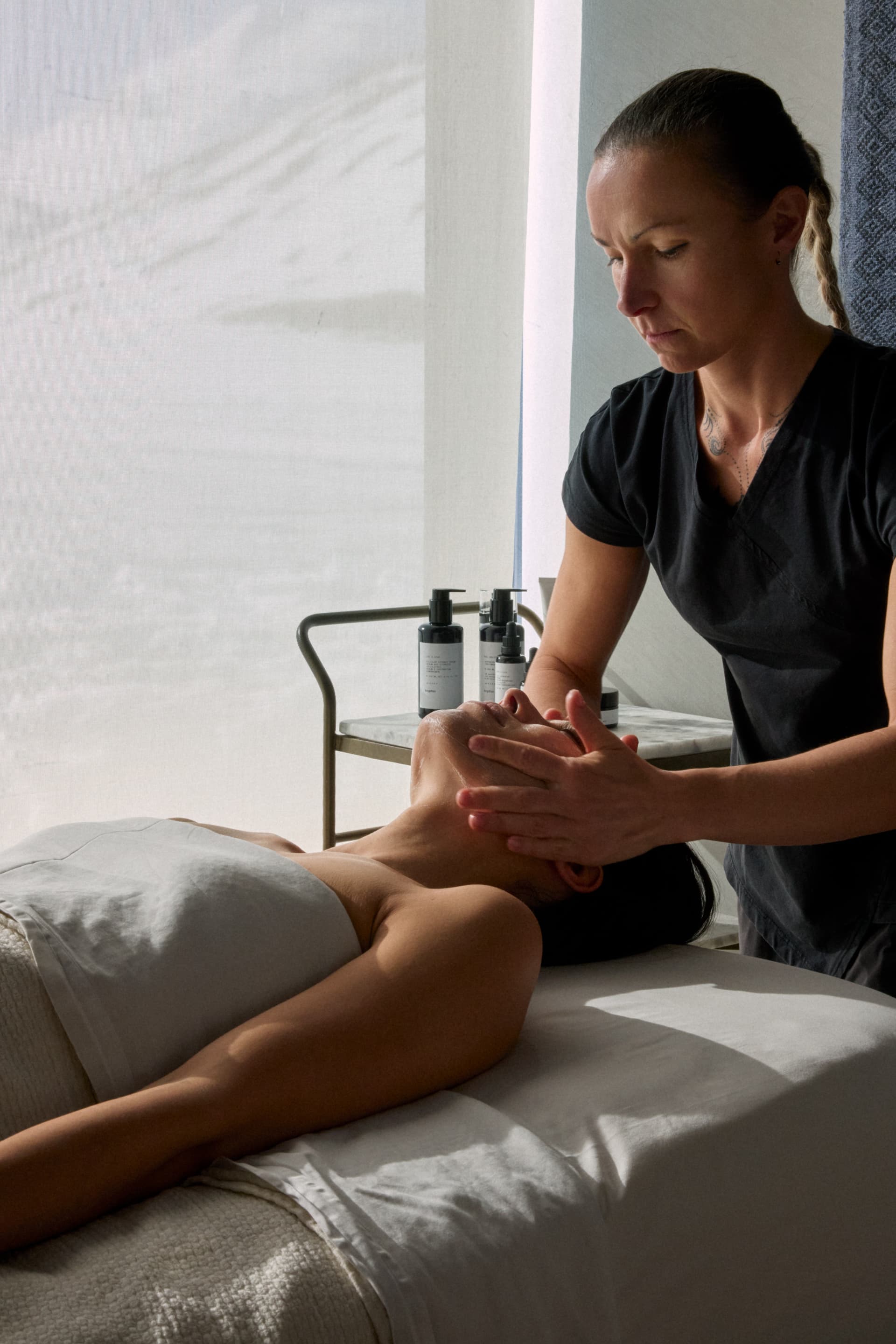
There is a marker of skin ageing that is discussed less than collagen, and that explains more of the daily problems: surface pH rises with age.
The difference is not dramatic in the numbers — around half a unit, sometimes a little more, clearest after seventy. But the pH scale is logarithmic. A rise of 0.5 is a threefold change in hydrogen-ion concentration. For enzymes that respond to those ions, that is a different workplace.
Three reasons this happens
Less sebum. Sebum production drops clearly after menopause and in men later in life. Less sebum means fewer free fatty acids acidifying the surface.
Less filaggrin and its metabolites. With age, urocanic acid and PCA decline. That is a double loss: less acid and less NMF. Mature skin is both drier and less acidic for the same reason.
A weaker proton pump. NHE1 exchanger activity, which actively pushes protons to the surface, falls in ageing epidermis.
The consequences look familiar
Mature skin rebuilds its barrier more slowly after damage — not by hours, by days. It reacts to products it used to tolerate. It is more prone to infection and inflammation, because acidic pH was part of antimicrobial defence. It sheds unevenly: too slowly in places (dullness, roughness), too fast in others.
And — the most frustrating part for many people — it copes less well with “active” care. Acids, retinol and vitamin C are acting on skin with a narrower safety margin than ten years earlier.
What this changes in a routine
Cleansing becomes the most important step. Not serum. Cleansing. If a wash product lifts pH by two units and the skin needs half a day to return, the rest of the routine is working in worse conditions. An acidic cleanser matters more on mature skin than the choice of serum.
Acidifying supports the skin’s own enzymes. Toners and products at pH 4–5 do not merely “not harm” — they create the conditions in which ceramide-producing enzymes can work.
Rebuilding NMF has a double logic. Urea, PCA, lactic acid, glycerin — they hydrate and acidify at the same time. Lactic acid at low concentration works here as an NMF component, not as an exfoliant.
Introduce actives more slowly. Not less — more slowly. Lower concentrations, less often, with longer recovery gaps.
Skin ageing is not only loss of volume and elasticity. It is also loss of the chemical conditions in which skin can repair itself. That part can at least be partly restored from the outside.